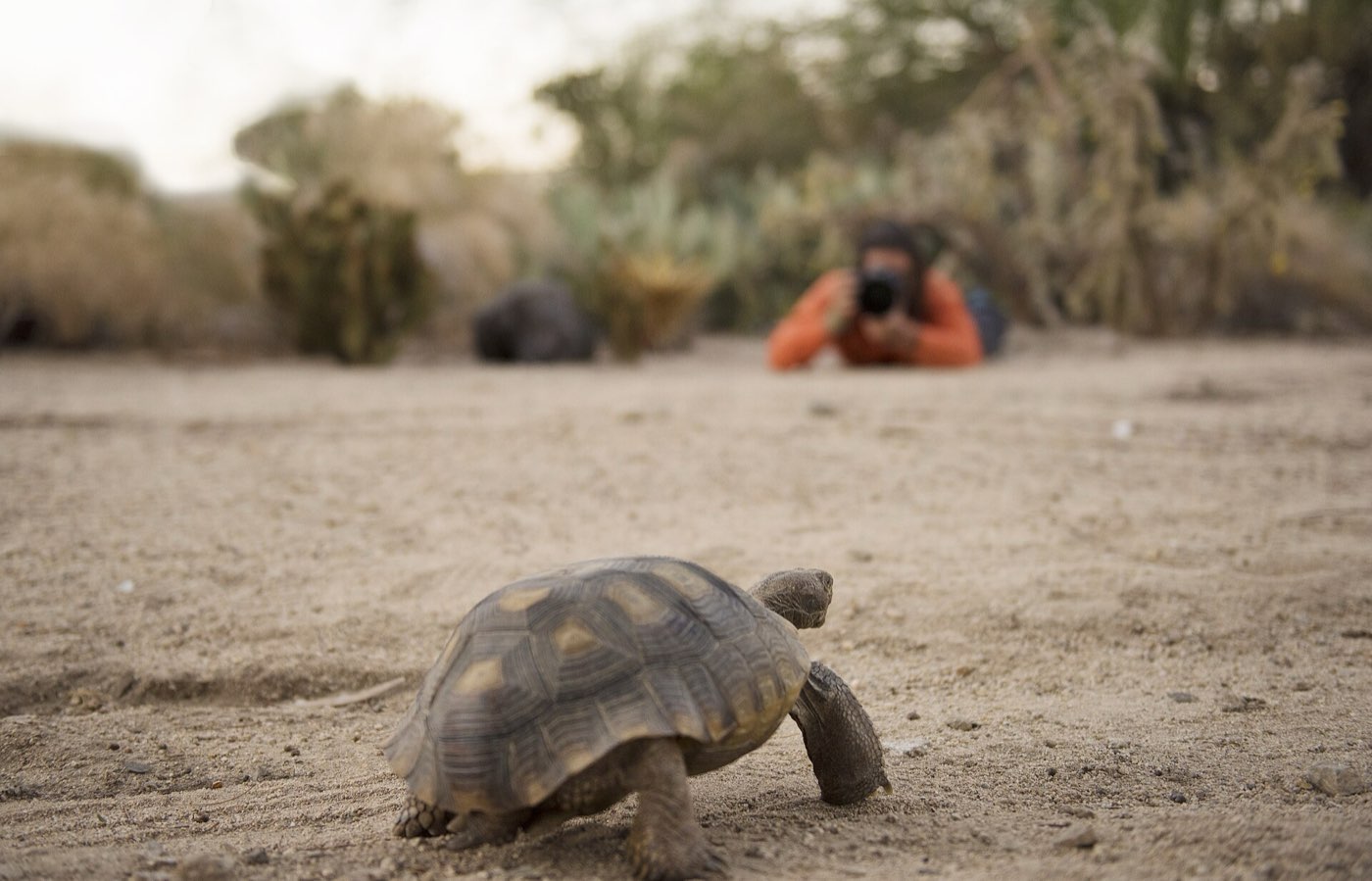
Your version of a bad day
- The scramble to the vantage. Loose rock, thirty pounds of kit, and a hand thrown out on the way down. Wrist fractures love photographers — splint it, check the fingers, then figure out how you’re walking out.
- Golden hour at nineteen degrees. Standing still behind a tripod for two hours is a hypothermia strategy. When your shooting partner’s shivering quits on its own, that’s worsening, not improving.
- Somebody else’s worst day. The skier you’re shooting doesn’t get up. The camera goes in the snow, and the questions become scene, spine, bleeding — in that order, from the person hired to watch.
Start here
All 15 lessons are worth your time, but this order front-loads what your world serves up:
- Provider Safety — the shot never outranks the scene — read it before you move
- Patient Assessment — a system for the day you’re second on scene at someone else’s accident
- Musculoskeletal Injuries — falls with heavy packs — wrists, ankles, and the splint
- Cold Injuries — standing still is exposure — know the ladder down and the wrap
- Evacuation — you scouted the approach — use it to get help in
Then pressure-test it
Interactive scenarios — one decision at a time, tempting mistakes included, debrief at the end:
- Hero Complex — the accident you were pointing a camera at
- Wiggle, Feel, Warm — the wrist you caught yourself with
- The Burrito — the wrap for the partner who got too cold
The certification question, honestly. “Wilderness First Aid” isn’t a regulated credential. No government body defines what a WFA card means — it means whatever the company that printed it says it means. What counts in front of a patient is whether you can do the work. This course teaches the work, free, and issues a record of completion — not a certificate, and we won’t pretend otherwise. If a production, client, or permit requires a certified provider on a remote shoot, that class is the answer — this isn’t a credential. It’s how you show up already fluent, and stay that way between gigs. If nobody requires you to hold a card, what you need are the skills, not the laminate.
What this is
Fifteen lessons, a 40-question knowledge check, sixteen practice scenarios, a printable field reference card, and a kit checklist. Free, no account, nothing recorded about you, source on GitHub. It teaches decision-making, not hands-on skill — practice the hands-on parts on a real, padded, complaining friend.