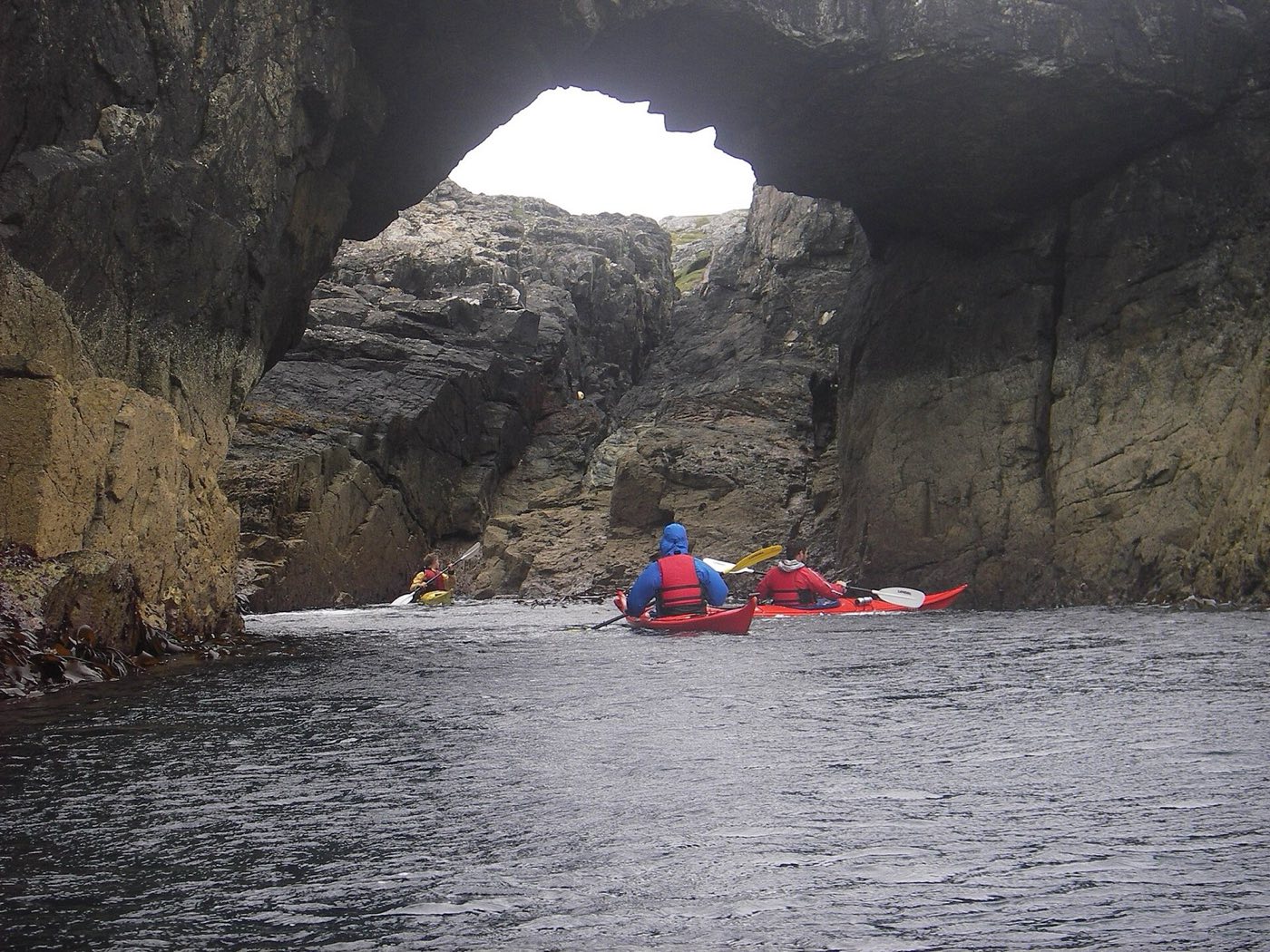
Your version of a bad day
- The gasp. Cold shock steals the first minute; swim failure takes the next ten. Half a mile out, the timeline matters more than the swimming.
- The weather window. It closed an hour early. Now your partner is soaked, the wind is building, and the choice is paddle for help or stay and manage a cold patient on a gravel spit.
- The tow home. You got her back on the board, but she’s clumsy and slurring. Hypothermia keeps working while you paddle — reading the signs decides how hard you push.
Start here
All 15 lessons are worth your time, but this order front-loads what your world serves up:
- Cold Injuries — cold shock to swim failure to hypothermia — the timeline you paddle inside
- Water & Lightning — drowning response, breaths first — plus the squall you saw coming
- Airway & Breathing — the recovery position for the paddler you just pulled out
- Evacuation — paddle for help or stay and signal — work it like a navigation problem
- Kits & Preparation — the kit that lives in a dry bag and still works soaked
Then pressure-test it
Interactive scenarios — one decision at a time, tempting mistakes included, debrief at the end:
- The Burrito — immersion hypothermia, wrapped in order
- Snoring Isn’t Sleeping — the airway problem you can hear
- Two Go, One Stays — exhaust communication before you spend people
The certification question, honestly. “Wilderness First Aid” isn’t a regulated credential. No government body defines what a WFA card means — it means whatever the company that printed it says it means. What counts in front of a patient is whether you can do the work. This course teaches the work, free, and issues a record of completion — not a certificate, and we won’t pretend otherwise. On-water rescue — the tows, the re-entries, the surf landings — belongs to on-water training and the clubs that drill it. If a guide program or symposium requires a provider’s card, take their class; this gets you fluent first. If nobody requires you to hold a card, what you need are the skills, not the laminate.
What this is
Fifteen lessons, a 40-question knowledge check, sixteen practice scenarios, a printable field reference card, and a kit checklist. Free, no account, nothing recorded about you, source on GitHub. It teaches decision-making, not hands-on skill — practice the hands-on parts on a real, padded, complaining friend.