Your version of a bad day
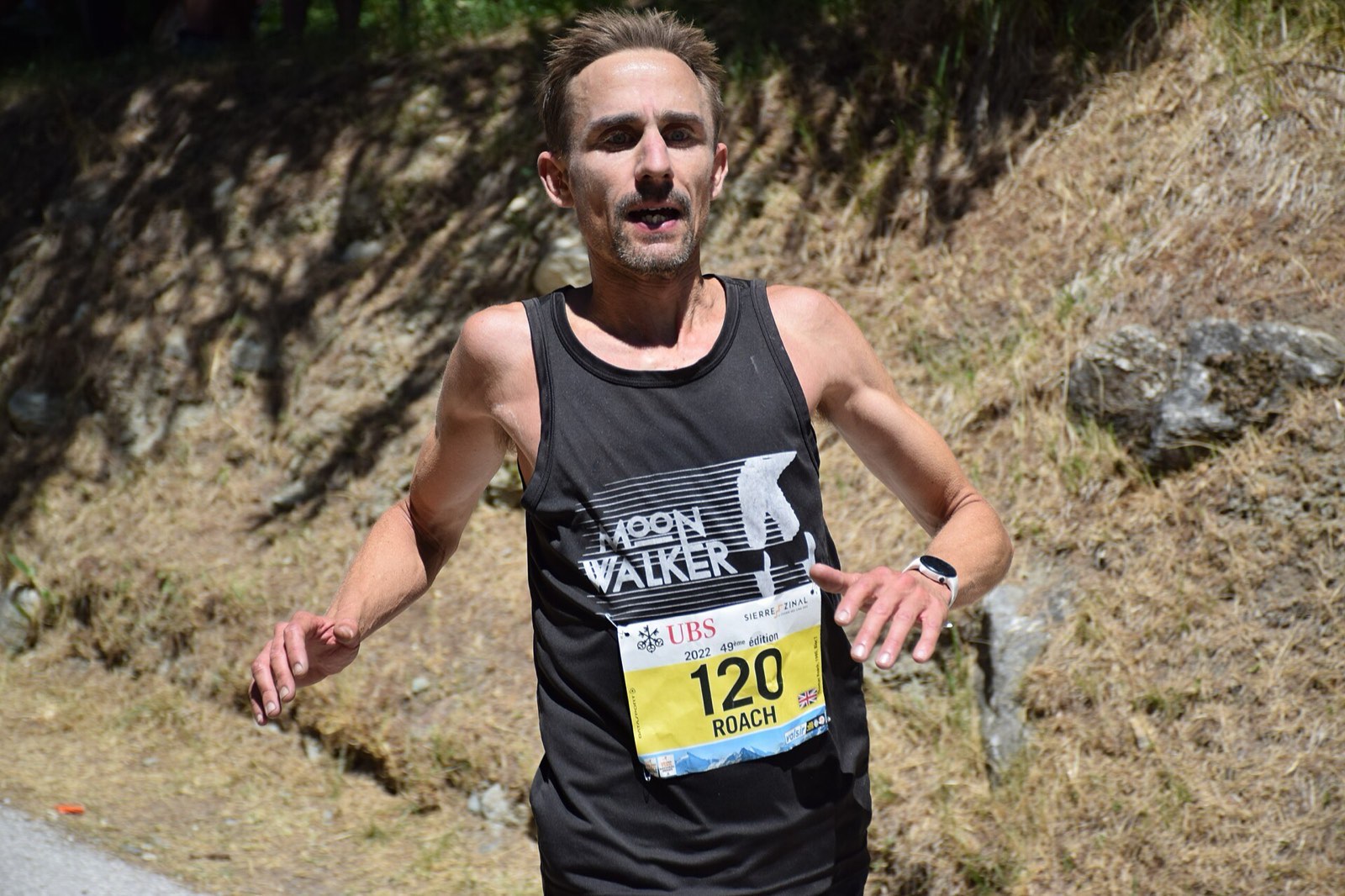
- Three heat casualties, one aid station. The 1 p.m. wave hits the exposed climb and your volunteers have a cluster, not a patient. Cooling happens at the station, in bulk, with what’s there — not after transport.
- The sweep finds one. A rider down between checkpoints, phone dead, radio relay through two volunteers. What the sweep carries and what the sweep can do in ten minutes were decided weeks ago — by you.
- The cell on the ridge line. Weather says thirty minutes, the back of the field says ninety. Hold, reroute, or stop is your call, and everyone off the exposed section is the first move, not the last resort.
Start here
All 15 lessons are worth your time, but this order front-loads what your world serves up:
- Heat Illness — race-day casualties arrive in clusters — plan cooling like you plan water
- Water & Lightning — the hold-or-stop weather call, and reverse triage if it goes wrong
- Evacuation — comms trees, messengers, and moving information faster than patients
- Patient Assessment — what every volunteer should be able to check and report
- Kits & Preparation — aid-station and sweep kits, specced by someone who knows why
Then pressure-test it
Interactive scenarios — one decision at a time, tempting mistakes included, debrief at the end:
- Cool First — what your aid station must do first
- Treat the Dead First — reverse triage when the sky wins
- Two Go, One Stays — messengers and notes when the radios die
The certification question, honestly. “Wilderness First Aid” isn’t a regulated credential. No government body defines what a WFA card means — it means whatever the company that printed it says it means. What counts in front of a patient is whether you can do the work. This course teaches the work, free, and issues a record of completion — not a certificate, and we won’t pretend otherwise. Sanctioning bodies and permits usually require named medical providers with real credentials, and that structure stands — this course doesn’t staff your event. It makes you the organizer who can write the plan, brief the volunteers, and hear what the medical director is actually telling you. If nobody requires you to hold a card, what you need are the skills, not the laminate.
What this is
Fifteen lessons, a 40-question knowledge check, sixteen practice scenarios, a printable field reference card, and a kit checklist. Free, no account, nothing recorded about you, source on GitHub. It teaches decision-making, not hands-on skill — practice the hands-on parts on a real, padded, complaining friend.